Kioxia Confirms Memory Supply Sold Out Through 2026
Kioxia Confirms Memory Supply Sold Out 2026
AI Boom Is Driving RAM and SSD Prices Higher — What Buyers Should Know Before Upgrading
The global artificial intelligence boom is transforming the technology industry at an unprecedented pace. From cloud computing to consumer electronics, AI is influencing nearly every corner of the digital world. One of the biggest—and most overlooked—impacts is happening in the memory market. Kioxia memory sold out 2026
RAM and SSD prices are rising sharply, driven by overwhelming demand from AI data centers. According to leading memory manufacturers, this situation is not temporary. In fact, supply constraints and high prices may continue well into 2026, making storage upgrades more expensive for everyday PC users. (Kioxia Confirms Memory Supply Sold Out)
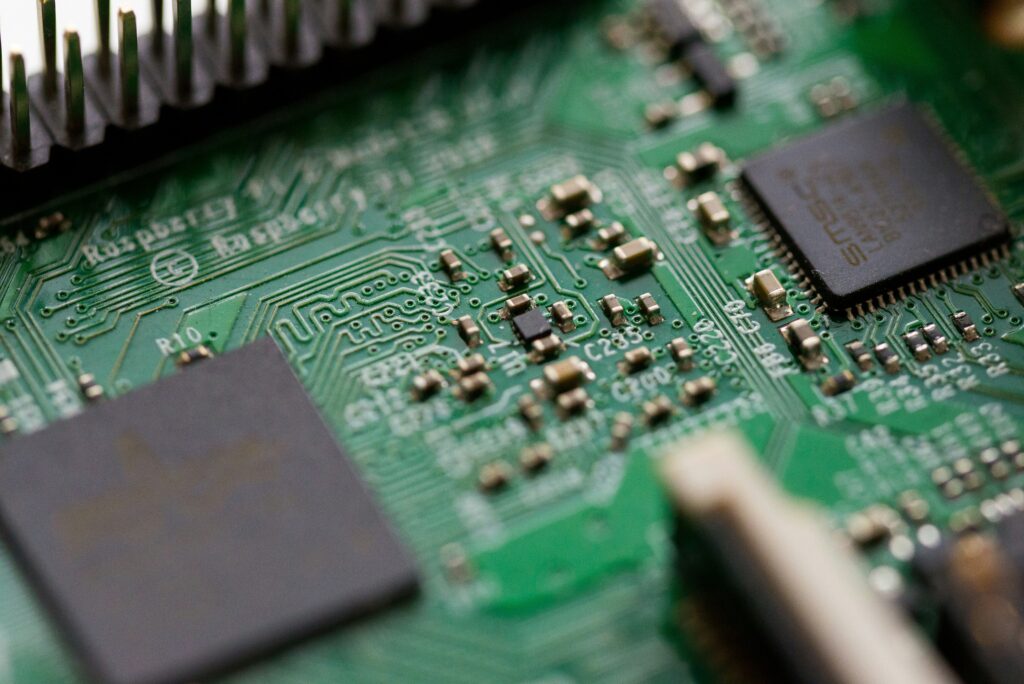
If you’re planning to upgrade your computer or buy new storage, understanding what’s happening now can help you make smarter purchasing decisions. (Kioxia Confirms Memory Supply Sold Out)
Why AI Is Causing a Global Memory Shortage
Artificial intelligence workloads consume enormous amounts of memory. Training and running modern AI models requires high-speed DRAM and large volumes of NAND flash storage. Unlike consumer devices, AI servers use memory at massive scale, often buying years’ worth of supply in advance.
This has created intense competition for memory chips, with AI companies outbidding traditional PC and laptop manufacturers. As a result, fewer chips reach the consumer market, pushing prices higher for RAM kits and SSDs.
Memory makers are prioritizing enterprise and AI customers because they offer stable, long-term contracts at premium prices.
Memory Manufacturers Say Supply Is Tight Through 2026
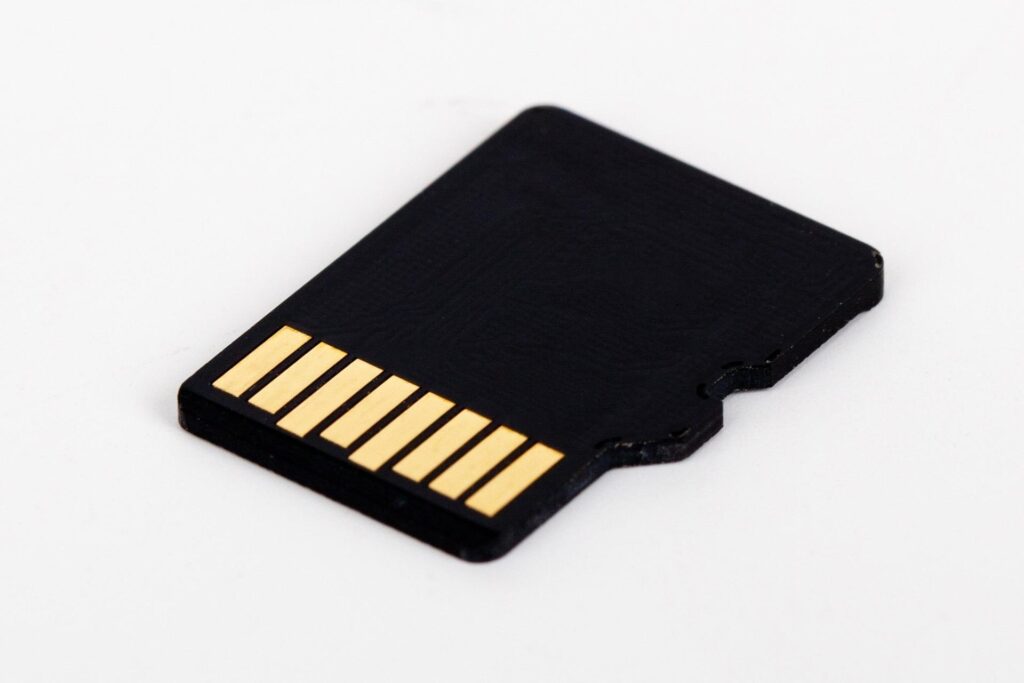
One of the strongest warnings comes from Kioxia, a major Japanese flash memory manufacturer. According to senior leadership, the company’s production capacity is effectively sold out through the rest of 2026. (Kioxia Confirms Memory Supply Sold Out)
This means the flash memory used in consumer SSDs is competing directly with AI infrastructure demand. As long as AI investment continues at its current pace, manufacturers see little reason for prices to fall.
Industry experts describe the current phase as a “high-end and expensive market,” affecting both enterprise storage and consumer products.
Kioxia Confirms Memory Supply Sold Out
Why Prices Won’t Drop Quickly
Many people assume that higher demand automatically leads to more factories and lower prices. In reality, semiconductor manufacturing doesn’t work that way.
1. New fabs take years to build
Constructing a memory chip factory costs billions of dollars and can take several years before producing usable chips.
2. Manufacturers fear oversupply
In past decades, aggressive expansion led to price crashes and massive losses. Today’s memory companies are deliberately expanding slowly to protect profitability.
3. AI demand is long-term
Unlike short consumer trends, AI infrastructure investments are planned years in advance, locking in demand.
Together, these factors make a rapid price correction very unlikely.
SSD Prices: Large Drives Are Hit the Hardest (Kioxia Confirms Memory Supply Sold Out)
Recent retail pricing trends show that higher-capacity SSDs are experiencing steeper price increases than smaller drives.
- 1TB SSDs: Moderate price increases
- 2TB SSDs: Noticeable jumps in cost per GB
- 4TB SSDs: Highest price inflation
Larger drives require more NAND chips, so shortages affect them more severely. They are also popular among gamers, creators, and professionals—groups that already demand high performance.
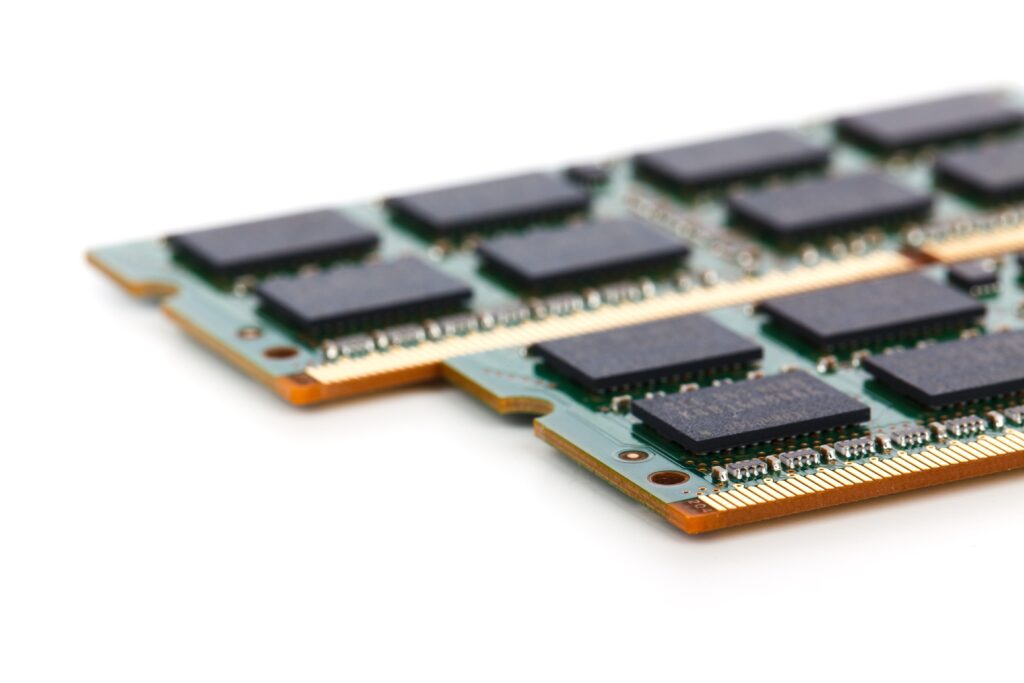
👉 Affiliate opportunity tip:
This is a good place to link best-selling 1TB SSDs, as they often offer the best balance between price and capacity right now.
Should You Buy an SSD Now or Wait?
Waiting for prices to drop may not be the best strategy. If manufacturers are correct, meaningful price reductions are unlikely before 2026.
You should consider buying now if:
- Your current drive is almost full
- You’re building a new PC
- You need faster load times for work or gaming
You may want to wait if:
- You don’t urgently need more storage
- Your system still has plenty of free space
For many users, upgrading strategically—rather than chasing the biggest drive—is the smartest move.
Smart Storage Upgrade Tips for Desktop Users
Before replacing your existing SSD, check whether your motherboard supports additional M.2 slots. Many modern desktops allow you to install two or even three NVMe SSDs.
(Kioxia Confirms Memory Supply Sold Out)
Benefits of adding a second SSD:
- No need to reinstall your operating system
- Easy game and file management
- Lower upfront cost than replacing a large primary drive
Platforms like Steam, Epic Games Store, and others allow you to move games between drives with just a few clicks.
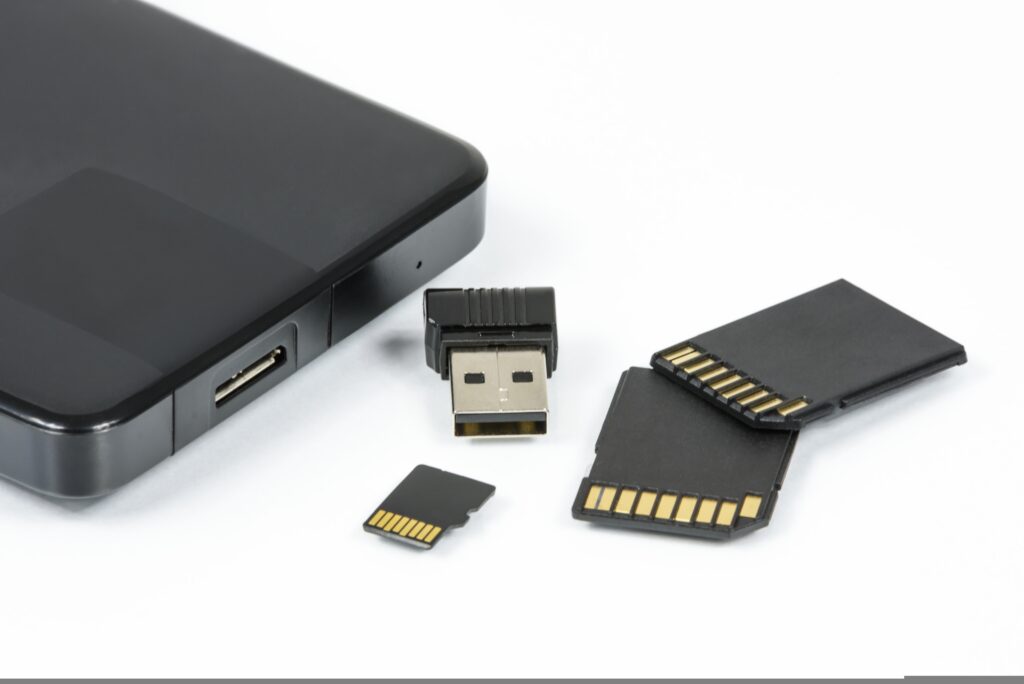
👉 Affiliate opportunity tip:
Recommend PCIe 4.0 NVMe SSDs for primary slots and PCIe 3.0 SSDs for secondary slots to balance cost and performance.
What Laptop Buyers Should Check Before Buying an SSD
Not all laptops support easy storage expansion. Some models include a second M.2 slot, while others do not.
Before buying an SSD for a laptop:
- Check the manufacturer’s official specs
- Confirm whether a second M.2 slot exists
- Verify supported SSD size (M.2 2280 vs 2240)
Certain thin and light laptops only support shorter SSDs, which can be more expensive due to limited availability. (Kioxia Confirms Memory Supply Sold Out)
👉 Affiliate opportunity tip:
Create a comparison table for M.2 2240 vs 2280 SSDs with compatible laptop models.
Does a Slower M.2 Slot Matter in Real Use?
Many systems use different PCIe lanes for different M.2 slots. The primary slot often connects directly to the CPU, while secondary slots rely on chipset lanes that are technically slower.
In everyday usage, the difference is minimal.
A good PCIe 3.0 or PCIe 4.0 SSD will still:
- Load games quickly
- Boot Windows in seconds
- Handle large file transfers smoothly
For most users, internal SSD speed differences matter far less than having enough storage.
Internal SSD vs External Storage (Kioxia Confirms Memory Supply Sold Out)
While external drives are convenient, they are usually slower and less reliable for heavy use.
Internal SSD advantages:
- Faster speeds
- Lower latency
- No cables or power issues
External drive drawbacks:
- Slower USB interfaces
- Higher risk of accidental disconnection
- Not ideal for gaming or creative work
Whenever possible, upgrading internal storage delivers the best experience.
Best Buying Strategy During High Prices
Until the memory market stabilizes, consumers should focus on value rather than maximum capacity. (Kioxia Confirms Memory Supply Sold Out)
Recommended approach:
- Choose 1TB or 2TB SSDs instead of 4TB
- Use multiple drives instead of one massive drive
- Buy from well-known brands with good warranties
This strategy minimizes cost while keeping your system flexible for future upgrades.
Final Thoughts: Plan Smart, Don’t Panic Buy
The AI revolution is reshaping the memory industry, and consumers are feeling the effects through higher RAM and SSD prices. With manufacturers signaling tight supply through 2026, waiting for dramatic price drops may not be realistic.
Instead of panic buying, focus on:
- Understanding your actual storage needs
- Choosing the best value capacity
- Upgrading in stages
Smart planning can save money—even in an expensive market. (Kioxia Confirms Memory Supply Sold Out)